
As safety professionals, we spend a considerable amount of time talking about keeping people safe at work. But how many of us actually apply those same principles at home?
I'll admit, I've caught myself doing things at home that I would absolutely question if I saw someone doing them at work.
According to the National Safety Council, an estimated 107,800 people died from preventable injuries in their homes in 2024. It's a sobering reminder that hazard recognition and prevention are just as important in our personal lives as they are in the workplace.
With Thanksgiving just around the corner, Christmas decorations coming out of storage, and those of us in Minnesota preparing for another winter, I thought it would be a good time to talk about some of the seasonal hazards we encounter outside the workplace.
Some are obvious, some are easily overlooked, and some we've probably been guilty of ourselves.
Thanksgiving Safety
Thanksgiving is one of those holidays where the kitchen becomes the center of activity. There are multiple dishes cooking, people coming and going, conversations happening, and inevitably someone standing exactly where you need to be.
It's easy to become distracted, and unfortunately, according to the National Fire Protection Association (NFPA), Thanksgiving is the peak day for home cooking fires in the United States.
Unattended cooking is a particular concern, but deep-frying turkeys introduces an entirely different level of risk. A partially frozen or wet turkey, too much oil, or an unstable fryer can result in violent eruptions of hot oil. If that oil comes into contact with the burner, the resulting fireball can cause severe burns and significant property damage.
The NFPA recommends avoiding traditional oil-filled turkey fryers altogether and considering an oil-free alternative. If you do choose to use a traditional outdoor turkey fryer, keep it well away from combustible structures, garages, wooden decks, and covered porches. Make sure the turkey is completely thawed and dry, follow the manufacturer's instructions, and never leave the fryer unattended.
Remember that water should never be used to extinguish a cooking oil or grease fire.
Beyond the fire hazards, there are the more ordinary things we tend to overlook: burns from handling hot dishes, cuts from food preparation, spills on kitchen floors, and foodborne illness from improper cooking or storage.
Use a food thermometer to ensure your turkey reaches a safe internal temperature of 165°F, and remember to refrigerate perishable leftovers within two hours.
Give yourself enough time, minimize distractions where possible, and don't be afraid to delegate a few tasks. Not everything needs to come out of the oven at precisely the same moment.
Christmas and Holiday Decorating
I love seeing homes decorated for the holidays, although the safety professional in me occasionally wonders how some of those lights made it onto the roof.
Decorating for Christmas brings out equipment we may only use once or twice a year. Ladders, extension cords, strings of lights, and electrical decorations have often spent the last eleven months tucked away in a basement, garage, or attic.
Take a few minutes to inspect everything before putting it into use. Check electrical cords for damage, make sure outdoor decorations are rated for outdoor use, and follow the manufacturer's recommendations for connecting multiple strings of lights. Avoid overloading outlets or running extension cords under rugs or through doorways where they can become damaged.
Ladder safety is another consideration. We wouldn't encourage someone at work to stand on the top step of a stepladder or overreach to finish a task, yet how often do we see people doing exactly that at home? Use an appropriately sized ladder, place it on a stable surface, and climb down to reposition it when needed. There's no shame in asking someone for help.
If you prefer a real Christmas tree, keep it watered and positioned away from fireplaces, heating vents, and other heat sources. Be mindful of burning candles, particularly around decorations, children, and curious pets. Flameless candles are a great alternative without sacrificing the atmosphere.
And before heading to bed or leaving the house, take a moment to turn off your decorative lighting and extinguish any candles.
As Arsenal demonstrates in our cover image, even the most enthusiastic decorators can get a little carried away.
Holiday Travel and Celebrations
Many of us will be traveling to spend time with family and friends over the holidays. Allow yourself some extra travel time, be patient with other drivers, and remember that arriving a little late is far better than not arriving at all.
If alcohol is part of your holiday celebrations, arrange for a designated sober driver, a rideshare, or somewhere to stay overnight before the festivities begin. It's a much easier decision to make before that first drink.
And whether you're traveling through an airport, stopping at a gas station, or picking up a last-minute ingredient at the grocery store, extend a little patience and grace to those working over the holidays. Airline workers, retail employees, healthcare professionals, first responders, and so many others are spending time away from their own families so the rest of us can enjoy ours.
A little kindness and patience can go a long way, especially during an already stressful time of year.
Winter Walking
For those of us living in colder climates, even a simple trip to the mailbox can become a challenge during the winter months. Snow can conceal uneven surfaces, and black ice can be particularly difficult to spot.
Wear footwear with good traction, keep your hands free for balance, and give yourself extra time when walking on potentially slippery surfaces.
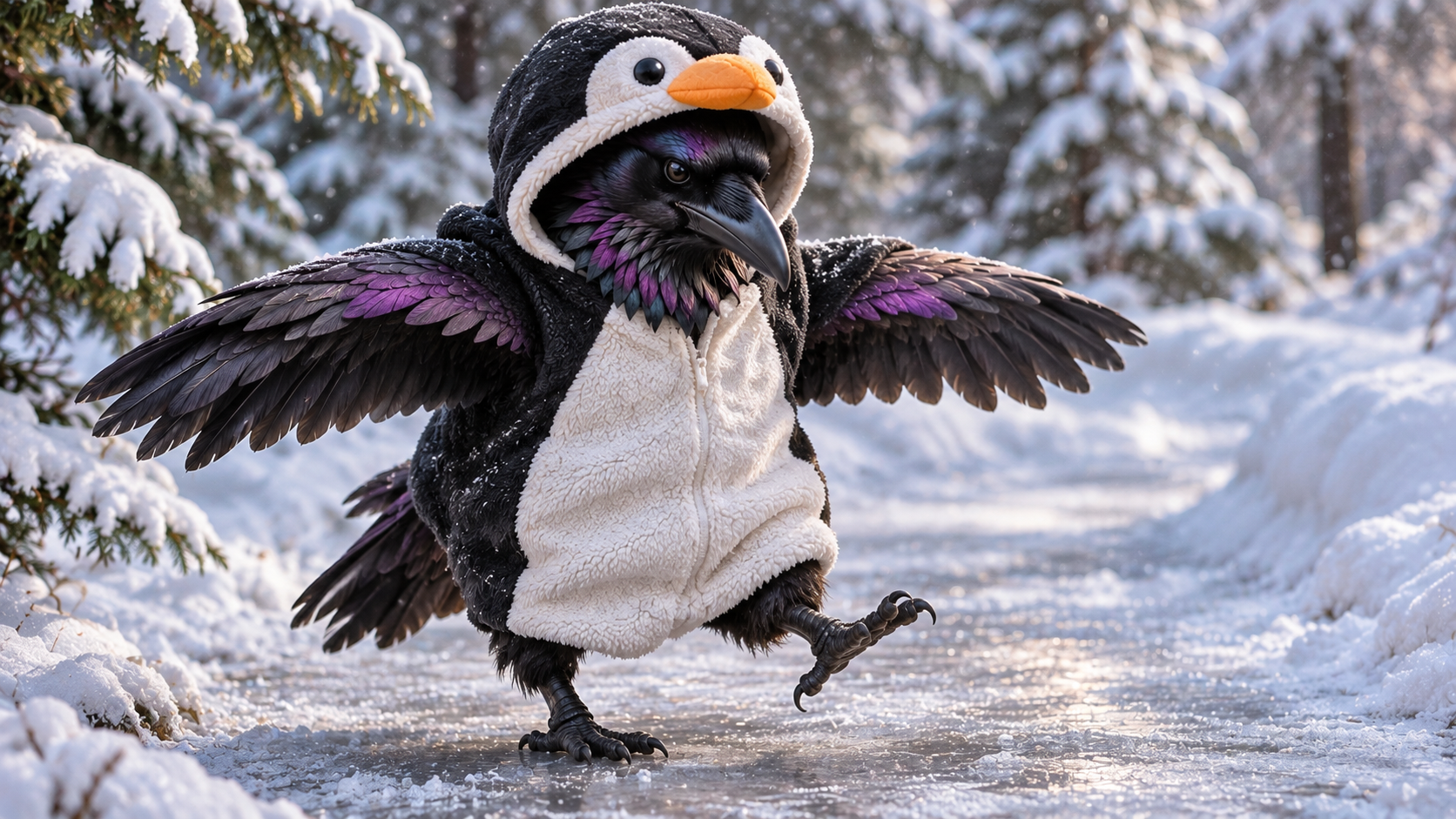
One technique often promoted in workplace winter safety campaigns is the penguin walk. Take short, flat-footed steps, keep your knees slightly bent, and keep your weight centered over your feet. It may not be the most graceful way to get around, but it certainly beats spending the holidays recovering from a broken wrist.
Arsenal has taken the demonstration perhaps a little too literally.
At home, keep walkways and steps clear, ensure exterior lighting is adequate, and remember that melting snow can refreeze as temperatures drop overnight.
Winter Driving
Winter driving hazards begin well before the first significant snowfall. Here in Minnesota, it's already getting dark shortly after 4 p.m., which means many of us are making our evening commute in reduced visibility.
Pay particular attention to pedestrians at intersections, in residential neighborhoods, and in parking lots. Someone wearing dark winter clothing can be surprisingly difficult to see, particularly in poor weather or against oncoming headlights. As pedestrians, reflective clothing and small wearable lights can help make us more visible.
When snow and ice arrive, adjust your speed and following distance to the conditions, clear snow and ice from your vehicle before leaving, and keep some basic emergency supplies in your car.
And remember, having all-wheel drive doesn't mean you can stop any faster on ice.
Bringing Safety Home
We don't need formal safety programs or written procedures for everything we do at home. But taking a few moments to recognize a hazard, think through what we're about to do, and consider whether there's a safer way to do it can make a considerable difference.
We encourage these habits in our workplaces because we want people to return home safely at the end of the day. Let's carry those same habits into our personal lives so we can return to work safely, too.
From Black Banner Safety, and our rather enthusiastic resident raven,
we wish you and your loved ones a safe and happy holiday season!
National Safety Council: Injury Facts – Deaths in the Home
National Fire Protection Association: Thanksgiving Safety
U.S. Consumer Product Safety Commission: Holiday Safety
USDA: Safe Internal Cooking Temperatures and Handling Leftovers Safely
National Highway Traffic Safety Administration: Ways to Get Home Safely, Winter Driving Tips and Pedestrian Safety
State of Minnesota: Slip, Trip and Fall Prevention